
Miki@bestsoapmachine.com
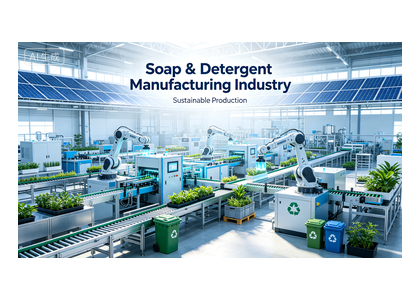
The global soap market is valued at $55.43 billion in 2026 and projected to reach $104.39 billion by 2035, growing at a CAGR of 7.29% . Four key trends are reshaping manufacturing strategies worldwide: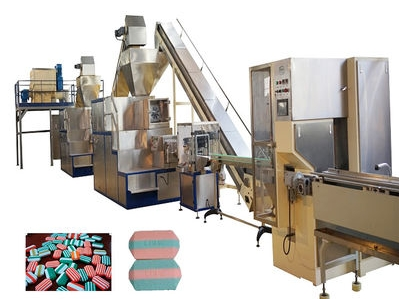
modern soap manufacturing production line industrial
1. Green Chemistry Revolution: Plant-derived surfactants are replacing petroleum-based alternatives, with major manufacturers committing to 100% renewable feedstocks by 2030. The organic soap segment is growing at 7.96% CAGR .
2. Industry 4.0 Adoption: Smart production lines with AI monitoring reduce labor costs by 40-60% and material waste to less than 2% .
3. Premiumization Shift: 55% of purchases now belong to specialized formulations (antibacterial, moisturizing, herbal) rather than basic cleansing products .
4. Emerging Market Growth: Africa and South Asia are the fastest-growing regions, driven by population expansion and rising hygiene awareness .
Equipment Opportunity: Manufacturers need flexible lines that can handle both traditional and natural formulations, with integrated automation and energy-efficient designs.
Published: May 18, 2026
Africa's soap market is projected to reach $1.4 billion by 2035 (wholesale value), growing at a CAGR of 1.6% . Nigeria, Egypt, and Ethiopia lead consumption, accounting for nearly 30% of total African demand .
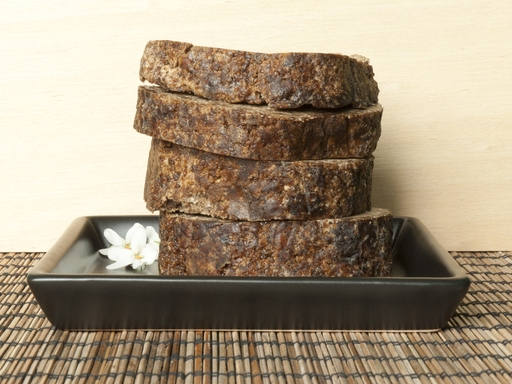
african soap market traditional black soap
· Demographic Advantage: Africa's population will reach 1.7 billion by 2030, with 60% urbanized
· AfCFTA Benefits: Tariff-free access to 54 countries enables economies of scale
· Post-Pandemic Hygiene: Handwashing compliance improved by 40-55% after public health campaigns
· African black soap market valued at $750-873.5 million in 2024
· Liquid black soap growing at 15.2% CAGR
· Locally sourced shea butter, coconut oil, and avocado oil in premium formulations
· Small sachets dominate rural markets
Equipment Recommendation: Modular, scalable production lines (500-2000kg/h) designed to operate reliably in varying power conditions and handle local raw materials efficiently.
Published: April 25, 2026
Unilever has officially launched its patented Stratos Technology across its global Lifebuoy and Lux brands, challenging the 100-year-old industry belief that higher Total Fatty Matter (TFM) equals better soap quality .
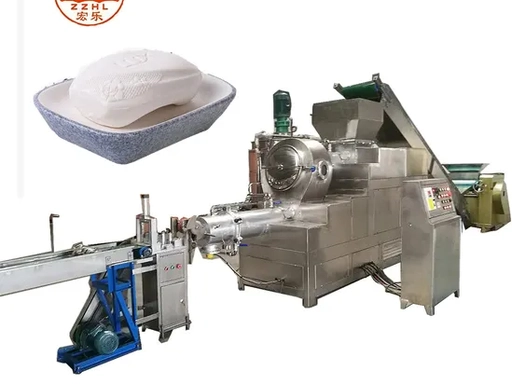
soap manufacturing plodder extruder machine
· Replaces up to 25% of non-essential TFM with plant-based polysaccharides and skin benefit agents
· 50-55% TFM bars deliver equivalent cleansing efficacy to traditional 76-78% TFM soaps
· Reduces palm oil usage by 25% and lowers greenhouse gas footprint
· Provides enhanced skin barrier protection and moisturization benefits Unilever
· Raw Material Savings: Lower production costs and reduced dependence on vegetable oil supplies
· Product Innovation: Enables incorporation of more active ingredients
· Regulatory Reassessment: Challenges TFM-based quality standards in many countries
Equipment Adaptation: Manufacturers need mixing systems that can effectively incorporate polysaccharides and optimized plodder designs for different material properties.
Published: May 3, 2026
Sustainability has become a critical business imperative, with 73% of consumers willing to pay a premium for products with clear environmental credentials .
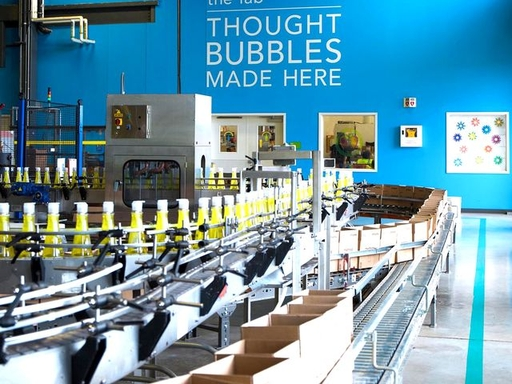
sustainable soap manufacturing plant green factory
1. Renewable Raw Materials: RSPO-certified palm oil and regenerative agriculture practices
2. Waterless Beauty: Solid soap bars eliminate plastic packaging and reduce transportation emissions
3. Circular Packaging: 40% of new product introductions now feature refillable options
4. Energy Efficiency: Modern facilities reduce power consumption by 25-35% through smart energy management
Equipment Solutions: Energy-efficient machinery with heat recovery systems, low-waste processes, and modular designs that allow for future sustainability upgrades
Video:https://caiyuanbao.alicdn.com/avpl/community/copy/019f-128aaaf4-a1b2580d-9efd1a0d-5797/20260414_dada2b923d16b124_560526087319_430737464093510_published_mp4_264_hd_taobao.mp4?auth_key=1782725212-0-0-cb8a50bd2faa09edc15c5bbdb1afdf1a&biz=community-5b18f81ea13f58b0&t=2150469017827225126886816e0eda&t=2150469017827225126886816e0eda&b=community&p=cloudvideo_http_cbu_jihuohui
Shijiazhuang Ruisheng Machinery Manufacturing Co., Ltd was established in 1992, who has more than 30 years professional experience in soap machinery manufacturing. It has become a specialized production manufacturer that integrates scientific research, production processing, installation, and service. The main products include soap noodle vacuum dryer, soap noodle pelletizer, soap material mixer, soap material grinding machine, duplex vacuum plodder, soap stamping machine, cutting machine, conveyors and the machinery related to transparent soap production line, laundry soap production and toilet soap production line....[ read more ]


