Beneath the surface of every bar of soap that lines supermarket shelves worldwide lies a sophisticated ecosystem of engineering innovation and industrial evolution. The global soap making machinery industry, often overlooked in discussions of consumer goods, has quietly transformed from a collection of basic tools into a highly stratified, technology-driven sector that shapes the accessibility and quality of hygiene products across continents.
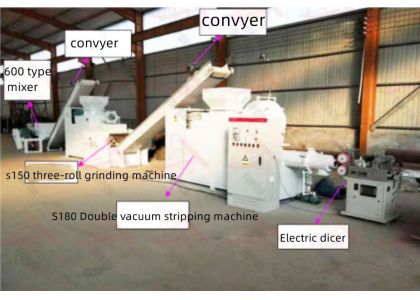
At the heart of this transformation lies a nuanced industrial chain that extends far beyond simple assembly. It begins with the quiet precision of raw material processing systems, where temperature-controlled reactors and mixing vessels lay the foundation for consistent soap quality. Moving downstream, the industry’s workhorses—three roll mills and vacuum plodders—perform the delicate alchemy of turning raw soap base into a smooth, uniform product ready for shaping. Finally, the finishing touches are applied by cutting machines, embossing presses and automated packaging lines, which transform bulk material into the branded products consumers recognize.
What makes this industry particularly fascinating is how its product hierarchy mirrors the economic development of global markets. In emerging economies across Africa and Southeast Asia, compact, single-function machines remain the backbone of small-scale production, enabling entrepreneurs to enter the market with modest investment while meeting local demand for affordable hygiene products. As regional economies mature, we see a corresponding shift toward semi-automatic production lines that balance efficiency with flexibility, allowing mid-sized manufacturers to scale their operations without sacrificing adaptability. Meanwhile, in established markets, fully intelligent systems equipped with remote monitoring and predictive maintenance capabilities have become the standard, enabling large corporations to achieve unprecedented levels of productivity and quality control.
The industry’s evolution is also driven by the expanding diversity of soap products themselves. No longer limited to basic laundry and toilet soaps, modern soap making machinery now caters to a growing demand for specialized products—from transparent glycerin soaps and medicated formulations to artisanal essential oil bars and industrial-grade cleaning products. Each of these categories requires unique equipment configurations and process optimizations, pushing manufacturers to continuously innovate and expand their product offerings.
As we look to the future, the soap making machinery industry stands at an inflection point. Sustainability has emerged as a defining force, driving the development of energy-efficient equipment and closed-loop production systems that minimize waste. At the same time, the ongoing digital transformation is bringing unprecedented levels of connectivity and intelligence to factory floors around the world. For exporters and manufacturers alike, success in this dynamic market will depend not just on selling equipment, but on understanding the unique needs of each market segment and providing comprehensive solutions that empower customers to thrive in an increasingly competitive global landscape.